
The Best Neurology and Neurosurgery Hospital in Pudukkottai

We are very proud of all the results we achieved

Muthu Meenakshi Hospitals, Pudukkottai, provides advanced and comprehensive care in Neurology and Neurosurgery, addressing a wide range of brain, spine, and nervous system disorders. Our department is equipped with modern neuro-diagnostic facilities including EEG, EMG, advanced MRI, CT, and neuroimaging systems. A highly experienced team of neurologists, neurosurgeons, neurophysiologists, and specialized nurses ensure accurate diagnosis and effective management of neurological conditions. We treat stroke, epilepsy, Parkinson’s disease, migraine, multiple sclerosis, spinal cord injuries, brain tumors, and other complex neurological disorders. From preventive screenings to advanced surgical care, our department is committed to restoring health and quality of life.

Our Neurology services focus on early detection, medical management, and long-term rehabilitation for chronic neurological conditions. With advanced stroke units and emergency protocols, patients receive immediate and life-saving treatment during critical situations. Rehabilitation programs, physiotherapy, and counseling support are integrated into care, helping patients recover mobility and regain independence.

The Neurosurgery division provides specialized surgical interventions for complex brain and spine conditions. Our expert neurosurgeons perform procedures such as tumor excisions, spinal decompressions, aneurysm repairs, trauma surgeries, and minimally invasive endoscopic surgeries. Equipped with advanced operating theatres and neuro-navigation systems, we ensure precision, safety, and faster recovery for patients undergoing surgery.

Why Choose Us

Our Areas of Excellence

To ensure that patients get the finest possible healthcare, MuthuMeenakshi Hospitals, Pudukkottai, always strives to combine breakthrough technology, the greatest medical knowledge, and cutting-edge techniques. The Group’s commitment to providing comprehensive care has always been driven by the wants and requirements of its patients. Their expertise spans the spectrum of medical specialties, and they are able to accurately diagnose and treat a wide range of ailments, injuries, and illnesses.

  • Comprehensive Neurological Care
  • Expert Team of Neurologists and Neurosurgeons
  • Advanced Treatment Facilities
  • Clinical Excellence
  • 24 x 7 Patient Care

Meet Our Professionals

Accident & Emergency Care Specialist

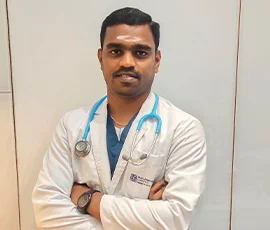
Dr. S.Sivaprakash

MBBS., MEM

Emergency Medicine
Dr. M.Thiru Ramu

MBBS., MS (Ortho)

Emergency and Trauma Care

Patient Experiences That Speak for Themselves

    Meenakshi
    Meenakshi

    Patient

    “My sister got into a car accident, and she was immediately brought to MuthuMeenakshi Hospitals, Pudukkottai. The doctors at the accident and emergency department treated her and she’s now all better.”

      Krishnaveni
      Krishnaveni

      Patient

      “Recently I experienced severe pain in my chest. I was taken to the department of accident and emergency of MuthuMeenakshi Hospitals, Pudukkottai, where doctors told me that I was having a heart attack. I was treated well and brought back to health. I’m grateful to the medical staff of MMH.”

        Balaji
        Balaji

        Patient

        “My mother had a severe breathing problem in which she couldn’t properly breathe suddenly. We took her to accident and emergency department of MuthuMeenakshi Hospitals, Pudukkottai. The doctors took control of the situation and brought her breathing back to normal. I and my family are thankful to the staff of MuthuMeenakshi Hospitals.”
        0 %
        Satisfied Patients

        Allied Departments

        Accident and Emergency

        The Accident and Emergency Department is one of the biggest in the country, serving thousands of patients annually. The 24-hour emergency and trauma centre can handle any medical or surgical emergency.

        General Medicine

        MuthuMeenakshi Hospitals' general medicine department features a staff of physicians that are competent and knowledgeable about a broad range of medical issues. They treat non-acute diseases, identify the sickness, and recommend the patient to a specialist who can adequately plan for the condition's treatment.

        FAQ's

        Migraine, stroke, Alzheimer’s disease, and other dementias, TTH and spinal cord injury are common neurological diseases.

        Acute neurological disorders are epilepsy, cerebrovascular diseases, multiple sclerosis, Parkinson’s disease, neuro-infections, brain tumours, stroke, migraine and other headache disorders, and traumatic disorders due to head trauma.

        If you’re exhibiting the following symptoms, then you may have a neurological problem:

        • Paralysis, either partial or full
        • Weakness in muscles
        • Sensation loss, either partial or full
        • Seizures
        • Difficulty in reading and writing
        • Poor cognitive skills
        • Pain that can't be articulated
        • Reduced alertness

        Yes, therapeutic medications used to treat epilepsy and other neurological diseases may be monitored through blood testing.

        Genetic diseases, congenital anomalies or disorders, infections, lifestyle, or environmental health issues such as malnutrition, and brain damage, spinal cord injury, or nerve injury are some of the causes of neurological disorders.

        For nerve weakness, green leafy vegetables, fish, dark chocolate, broccoli, avocados, almonds, eggs, and salmon are good.

        The symptoms of brain damage are seizures, tremors, sensitivity to light, paralysis, extreme physical and mental fatigue and persistent headaches.

        An MRI may be able to detect structural abnormalities pushing on the nerve, allowing the issue to be resolved before irreversible nerve damage develops. A neurological examination can generally determine nerve injury, and MRI scan data may be used to confirm the diagnosis.

        Severe headaches and seizures may be the first indications and symptoms of a brain tumour. In individuals with a brain tumour, severe, persistent headaches that may or may not be connected to an underlying condition such as migraine are a regular occurrence. It's possible that the pain is stronger in the mornings and that it's accompanied by nausea or vomiting.

        Nerve damage might worsen over time if not addressed. It may begin in nerves that are furthest from the brain and spinal cord, such as those in the feet and hands. It may then spread to the legs and limbs.