




Nutrition Matters: Expert Diet Advice from MuthuMeenakshi Hospitals
At MuthuMeenakshi Hospitals, we understand that a healthy lifestyle starts with proper nutrition. Eating the right foods not only nourishes the body but also helps prevent and manage chronic illnesses such as diabetes, heart disease, and obesity. Our team of experienced dieticians and nutritionists works closely with patients to develop personalized diet plans that cater to individual health needs, lifestyle, and preferences.
Whether it’s a heart-healthy meal plan, diabetes-friendly diet, weight management program, or nutrition guidance for recovery after surgery, our experts provide practical, evidence-based advice that is easy to follow in everyday life. We focus on educating patients about portion control, nutrient balance, and smart food choices to ensure long-term health benefits.
Nutrition is more than just food—it is an investment in your well-being. At MuthuMeenakshi Hospitals, we integrate diet and lifestyle counseling into our comprehensive healthcare approach, empowering patients to take control of their health. Our goal is to help you make sustainable changes that improve energy levels, boost immunity, enhance recovery, and promote overall wellness.
Join us on a journey toward optimal health and learn how the right nutrition can transform your life, one meal at a time. With guidance from our expert team, healthy eating becomes a sustainable, enjoyable, and life-changing habit.
Why choose us for Diet & Nutrition?
1. Expert Team of Nutritionists & Dieticians
Our certified nutritionists and dieticians bring years of experience in managing a wide range of health conditions, including diabetes, heart disease, obesity, and post-surgical recovery. Every patient receives personalized guidance based on their health profile.2. Evidence-Based, Personalized Diet Plans
We don’t believe in one-size-fits-all diets. Our team creates individualized meal plans backed by scientific research to meet your unique health goals, lifestyle, and preferences.3. Holistic Health Approach
Nutrition is integrated into your overall care plan. We focus not only on diet but also on lifestyle, exercise, and behavior changes to support long-term wellness.4. Practical & Sustainable Guidance
Our advice is simple, realistic, and easy to implement in daily life. We emphasize balanced eating, portion control, and mindful choices that patients can maintain for life.5. Focus on Prevention & Recovery
Whether it’s preventing chronic illnesses or supporting recovery after surgery or illness, our diet and nutrition programs are designed to enhance immunity, boost energy, and promote overall health.6. Patient-Centered Care
At MuthuMeenakshi Hospitals, every patient is treated as a partner in their health journey. We provide continuous support, follow-ups, and motivation to help you stay on track.Choose MuthuMeenakshi Hospitals for expert-led, compassionate, and result-oriented diet and nutrition care because your health deserves nothing less.
Meet Our Professionals
Diet and Nutrition Specialist

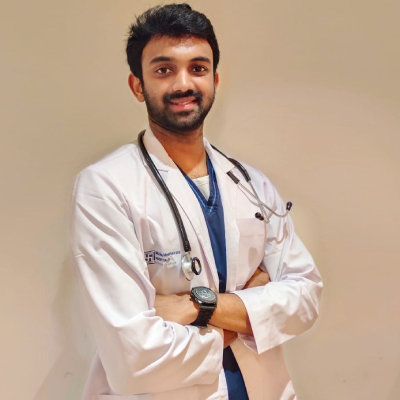
Ms M.A.Nasreen Banu
M.Sc.,DFSM
Dietitian & Nutritionist
Patient Experiences That Speak for Themselves

Patient
“My sister got into a car accident, and she was immediately brought to MuthuMeenakshi Hospitals, Pudukkottai. The doctors at the accident and emergency department treated her and she’s now all better.”

Patient
“Recently I experienced severe pain in my chest. I was taken to the department of accident and emergency of MuthuMeenakshi Hospitals, Pudukkottai, where doctors told me that I was having a heart attack. I was treated well and brought back to health. I’m grateful to the medical staff of MMH.”

Patient
“My mother had a severe breathing problem in which she couldn’t properly breathe suddenly. We took her to accident and emergency department of MuthuMeenakshi Hospitals, Pudukkottai. The doctors took control of the situation and brought her breathing back to normal. I and my family are thankful to the staff of MuthuMeenakshi Hospitals.”
0
%
Satisfied Patients
Allied Departments
Neurology and Neurosurgery
The Neuroscience Department's multi-disciplinary staff of neurosurgeons, neurologists, and interventional radiologists treat a wide range of neurological problems. We undertake numerous procedures and treat neurological illnesses and problems.
Accident and Emergency
The Accident and Emergency Department is one of the biggest in the country, serving thousands of patients annually. The 24-hour emergency and trauma center can handle any medical or surgical emergency.
FAQ's
Because bones serve as the body's structural foundation, they must remain healthy and robust. A diet that contains enough amounts of calcium and vitamin D is essential for maintaining strong and healthy bones. Regular exercise is another crucial action you can take to keep your bone health in good condition. Exercise will also aid in the prevention of orthopedic problems in the future. Maintaining a minimal coffee and alcohol diet is also beneficial for maintaining healthy bones. Another important component in preserving bone health is to refrain from smoking.
Arthritis is a condition characterized by inflammation of the joints. A joint is a part of the body where two bones come together to form a joint. Cartilage is the connective tissue that surrounds and protects our joints. Cartilage protects the joints by cushioning the pressure and stress that we experience as we move our bodies around. Arthritis may develop when cartilage begins to deteriorate, resulting in tight, weak, and painful joints. Although there are over 100 distinct varieties of arthritis, the two most frequent are osteoarthritis (OA) and rheumatoid arthritis (RA). OA is the most common type of arthritis, followed by RA (RA).
Arthritis has a variety of causes, which vary depending on the kind. Injuries, metabolic imbalances, genetic factors, infections, and autoimmune illnesses are all possible causes of autoimmune disorders. Osteoarthritis (OA) is a condition caused by the regular wear and tear of the joints. Rheumatoid arthritis (RA) is an autoimmune condition that arises when the body's immune system assaults the tissues of the body.
Shoulder pain is yet another fairly prevalent orthopedic ailment to be encountered. A torn rotator cuff is often the cause of this pain. Injuries and degeneration of the rotator cuff are the two most common causes of the condition. With continuing usage after a tear, you are at the risk of further damaging your rotator cuff. If you are suffering from persistent shoulder or arm discomfort, it is recommended that you see an orthopedic professional. An orthopedic specialist would most likely recommend non-surgical treatment, such as physical therapy or steroid injections, to relieve discomfort and restore function in your shoulder for the vast majority of their patients.
Generally speaking, ice should be used for an injury during the first 24-48 hours to help minimize swelling and discomfort. Following an injury, adhere to the PRICE protocol, which stands for Protection, Rest, Ice, Compression, and Elevation. Ice should never be applied straight to the skin. Ice should be applied for 10 to 20 minutes, depending on the severity of the damage and the location of the lesion. The length of time required for application is proportional to the thickness of the wounded tissue. Injury to the knee normally requires 15 minutes of chilling, but injuries to regions with more musculature, such as the quadriceps and hamstrings, need 20 minutes of ice. Skin that is thinner than the ankles and feet takes just 10 minutes to be iced.
Heat is often used to alleviate muscular pain and stiffness. When there is swelling or inflammation, it is never a good idea to apply heat. Using direct heat, such as a heating pad, for 15 to 20 minutes may generally alleviate minor stiffness or tightness in the muscles and joints. Longer durations of direct heat, such as soaking in a warm bath, may be beneficial in alleviating moderate to severe discomfort. Before engaging in any physical activity, it is also beneficial to apply heat to warm up muscles.
Carpal tunnel syndrome is characterized by numbness, tingling, and weakness in the hands, wrists, and, in some cases, arms. Carpal tunnel syndrome is caused by a compressed nerve in the carpal tunnel, which is a tiny passageway located on the palm side of your wrist. To avoid further complications, it's critical to see your orthopedic hand expert as soon as you notice any signs of carpal tunnel syndrome.
There is no one cause of carpal tunnel syndrome in the majority of patients. However, several risk factors may lead to carpal tunnel syndrome. The presence of conditions that put constant pressure on the nerves, such as obesity or repetitive motion, might increase the likelihood of developing carpal tunnel syndrome. Also possible is the involvement of inflammatory disorders. In certain cases, an orthopedic specialist may be able to alleviate symptoms early on by using a wrist splint or by restricting the patient's activity.
Knee pain is another frequent orthopedic problem that affects individuals of all ages and ethnic backgrounds. Knee pain is often caused by either an injury or an inflammation of the knee joint. Injuries to the knee are one of the most common types of injuries, and they may cause immediate discomfort. Chronic knee pain is a common symptom of arthritis and other inflammatory illnesses. Knee braces or physical therapy may be recommended by your orthopedic physician, both of which may typically alleviate the discomfort. To address a mechanical breakdown of the knee in certain circumstances, more severe therapy such as injections or surgery may be required.
Several variables influence how long it will take for you to completely heal and reap the advantages of your orthopedic surgery. Some individuals need a few weeks to recuperate after their surgery. Others may need many months to complete the process. It is possible to return home the same day or the next day following surgery, regardless of whether you underwent complete joint replacement surgery. This depends on your general health, the medical condition for which you were treated, and the kind of surgery conducted.